

In vitro tests (cell viability, cytotoxicity assays)

In vitro biological evaluations were performed to assess the therapeutic potential and safety of the liposomal doxorubicin formulation.

Cell viability and cytotoxicity assays were conducted on relevant cell lines to compare the biological effects of the liposomal formulation against free drug and control samples.
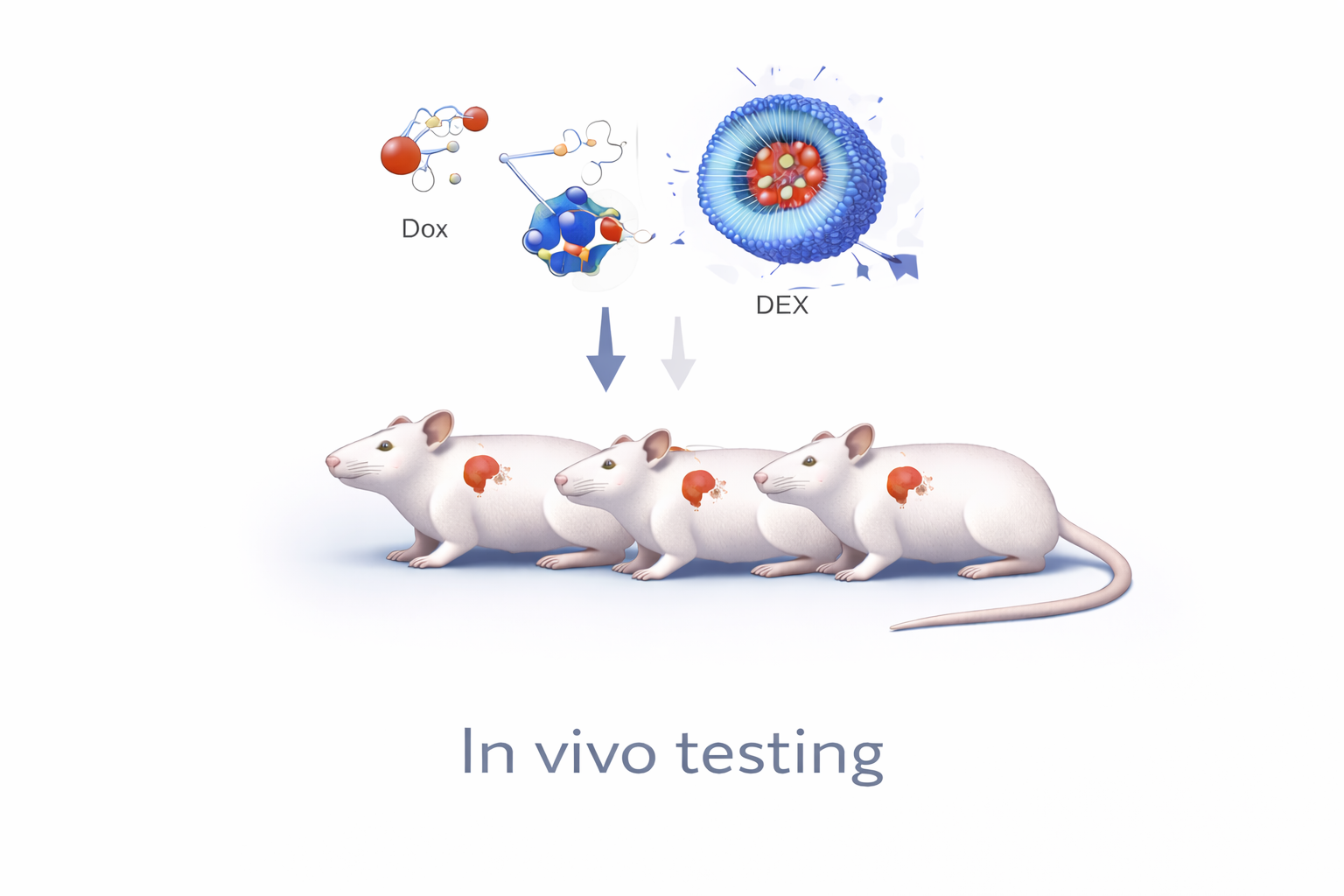
In vivo tests  

In vivo experiments were performed using an orthotopic tumor bearing mouse model to evaluate the therapeutic performance of different doxorubicin formulations. 

After tumor induction, animals received either no treatment, free doxorubicin, or doxorubicin loaded PEG nanotubes at different loading levels. 

Tumor progression was monitored longitudinally using bioluminescence imaging, allowing noninvasive assessment of tumor growth over time. 

At the end of the study, tumors were excised and weighed to quantify treatment efficacy. 

In addition, metastatic spread to major organs was evaluated to assess the ability of each treatment to inhibit metastasis. 

These tests collectively examined antitumor efficacy, tumor burden reduction, and metastasis suppression under in vivo conditions.